SICP:1.1.6 Conditional Expressions and Predicates
SICP:1.1.6 Conditional Expressions and Predicates
本文逐段翻译 SICP 第二版 §1.1.6《Conditional Expressions and Predicates》,保留
cond、if、logical composition、Scheme code、图片以及 Exercises 1.1–1.5 的原文顺序。
TL;DR
- 目前能够定义的 procedures 缺少 test 与分支能力;
condspecial form 用于表达 case analysis。 if是只有两个 cases 时使用的 restricted conditional;and与or采用 short-circuit evaluation,因此是 special forms,而not是 ordinary procedure。- Predicates 可以由 primitive predicates 组合而成;本节最后的 Exercises 1.1–1.5 用来练习这些 evaluation rules。
目录
| 章节 | 说明 |
|---|---|
| 1.1.6 Conditional Expressions and Predicates | conditional expressions 与 predicates 的引入 |
cond 与 case analysis | 多分支 conditional |
if expression | 二分支 conditional |
| Logical composition | and、or 与 not |
| Exercises 1.1–1.5 | 本节练习 |
1.1.6 Conditional Expressions and Predicates
cond 与 case analysis
在此时我们能够定义的 procedures 这一 class,其 expressive power 还非常 limited,因为我们没有办法执行 tests,也没有办法根据 test 的 result 执行不同的 operations。例如,我们无法通过测试一个 number 是 positive、negative 还是 zero,并按照不同 cases 采取不同 actions 的 rule,来定义一个计算 number 的 absolute value 的 procedure:
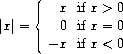
这个 construct 称为 case analysis,Lisp 提供了一个 special form 来表示这样的 case analysis。它称为 cond(表示“conditional”),使用方式如下:
(define (abs x)
  (cond ((> x 0) x)
        ((= x 0) 0)
        ((< x 0) (- x))))
Conditional expression 的 general form 是:
(cond (<p1> <e1>)
      (<p2> <e2>)
      ...
      (<pn> <en>))
它由 symbol cond 以及一组用 parentheses 包围的 expression pairs (<p> <e>) 组成;这些 pairs 称为 clauses。每个 pair 中的第一个 expression 是一个 predicate——也就是说,它是一个 value 会被解释为 true 或 false 的 expression1。
Conditional expressions 的 evaluation 规则如下。首先 evaluation <p1>。如果它的 value 是 false,就 evaluation <p2>。如果 <p2> 的 value 也为 false,就 evaluation <p3>。这个 process 会持续进行,直到找到一个 value 为 true 的 predicate;此时,interpreter 返回该 clause 中对应的 consequent expression <e> 的 value,作为 conditional expression 的 value。如果没有任何一个 <p> 被发现为 true,那么 cond 的 value 就是 undefined。
Predicate 这个词既用于返回 true 或 false 的 procedures,也用于 evaluation 后得到 true 或 false 的 expressions。Absolute-value procedure abs 使用了 primitive predicates >、< 和 =2。这些 predicates 接受两个 numbers 作为 arguments,分别测试第一个 number 是否大于、小于或等于第二个 number,并相应地返回 true 或 false。
另一种写 absolute-value procedure 的方式是:
(define (abs x)
  (cond ((< x 0) (- x))
        (else x)))
用 English 表达,就是“如果 x 小于 zero,就返回 - x;否则返回 x”。else 是一个 special symbol,可以在 cond 的 final clause 中代替 <p> 使用。当所有 previous clauses 都被 bypass 时,它会使 cond 返回对应 <e> 的 value。实际上,这里的 <p> 可以使用任何总是 evaluation 为 true value 的 expression。
if expression
还可以用另一种方式写 absolute-value procedure:
(define (abs x)
  (if (< x 0)
      (- x)
      x))
这里使用了 special form if;当 case analysis 中恰好有两个 cases 时,可以使用这种 restricted type 的 conditional。if expression 的 general form 是:
(if <predicate> <consequent> <alternative>)
要 evaluation 一个 if expression,interpreter 首先 evaluation expression 的 <predicate> 部分。如果 <predicate> evaluation 为 true value,interpreter 接着 evaluation <consequent>,并返回它的 value。否则,interpreter evaluation <alternative>,并返回它的 value3。
Logical composition
除了 <、= 和 > 这样的 primitive predicates 外,还有 logical composition operations,使我们能够构造 compound predicates。最常用的三个如下。
and
(and <e1> ... <en>)
Interpreter 按照从左到右的顺序,一次 evaluation 一个 expressions。如果任何一个 <e> evaluation 为 false,and expression 的 value 就是 false,其余的 <e> 不再 evaluation。如果所有 <e> 都 evaluation 为 true values,and expression 的 value 就是最后一个 <e> 的 value。
or
(or <e1> ... <en>)
Interpreter 按照从左到右的顺序,一次 evaluation 一个 expressions。如果任何一个 <e> evaluation 为 true value,就返回该 value 作为 or expression 的 value,其余的 <e> 不再 evaluation。如果所有 <e> 都 evaluation 为 false,or expression 的 value 就是 false。
not
(not <e>)
当 expression <e> evaluation 为 false 时,not expression 的 value 是 true;否则 value 是 false。
注意,and 和 or 是 special forms,而不是 procedures,因为它们的 subexpressions 不一定会全部被 evaluation。not 则是一个 ordinary procedure。
作为这些 operations 如何使用的例子,可以把 number x 位于范围 5 < x < 10 内的 condition 表达为:
(and (> x 5) (< x 10))
另一个例子是,我们可以定义一个 predicate,测试一个 number 是否大于或等于另一个 number:
(define (>= x y)
  (or (> x y) (= x y)))
或者也可以写成:
(define (>= x y)
  (not (< x y)))
Exercises 1.1–1.5
Exercise 1.1
下面是一组 expressions。对于每个 expression,interpreter 会打印出什么 result?假设这组 expressions 按照给出的顺序依次 evaluation。
10
(+ 5 3 4)
(- 9 1)
(/ 6 2)
(+ (* 2 4) (- 4 6))
(define a 3)
(define b (+ a 1))
(+ a b (* a b))
(= a b)
(if (and (> b a) (< b (* a b)))
    b
    a)
(cond ((= a 4) 6)
      ((= b 4) (+ 6 7 a))
      (else 25))
(+ 2 (if (> b a) b a))
(* (cond ((> a b) a)
         ((< a b) b)
         (else -1))
   (+ a 1))
Exercise 1.2
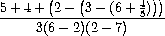
将下面的 expression 翻译为 prefix form:
Exercise 1.3
定义一个 procedure,它接受三个 numbers 作为 arguments,并返回其中两个较大 numbers 的 squares 之和。
Exercise 1.4
注意,我们的 evaluation model 允许 combination 的 operators 是 compound expressions。利用这一观察,描述下面 procedure 的 behavior:
(define (a-plus-abs-b a b)
  ((if (> b 0) + -) a b))
Exercise 1.5
Ben Bitdiddle 发明了一个 test,用来判断他面对的 interpreter 使用的是 applicative-order evaluation 还是 normal-order evaluation。他定义了以下两个 procedures:
(define (p) (p))

(define (test x y)
  (if (= x 0)
      0
      y))
然后他 evaluation expression:
(test 0 (p))
如果 interpreter 使用 applicative-order evaluation,Ben 会观察到什么 behavior?如果 interpreter 使用 normal-order evaluation,他会观察到什么 behavior?解释你的 answer。
假设无论 interpreter 使用 normal-order 还是 applicative-order,special form if 的 evaluation rule 都相同:先 evaluation predicate expression,再根据 result 决定 evaluation consequent 还是 alternative expression。
图与格式复核
- 绝对值规则图:保留原文 GIF,尺寸为
123 × 54,嵌入在 case analysis 引入段落之后。 - Exercise 1.2 图:保留原文 GIF,尺寸为
165 × 36,嵌入在 Exercise 1.2 题干之后。 cond、if、and、or、not的 code blocks、evaluation order 与 Exercises 1.1–1.5 的顺序保持不变。
术语对照
| English | 译法/处理 |
|---|---|
| conditional expression | 保留 conditional expression;必要处译作条件表达式 |
| predicate | 保留 predicate;必要处译作谓词 |
| case analysis | 保留 case analysis;必要处译作分情况分析 |
| clause | 保留 clause;必要处译作子句 |
| consequent expression | 保留 consequent expression;必要处译作后件表达式 |
| special form | 保留 special form;必要处译作特殊形式 |
| logical composition | 保留 logical composition;必要处译作逻辑组合 |
| short-circuit evaluation | 保留 short-circuit evaluation;必要处译作短路求值 |
| primitive predicate | 保留 primitive predicate;必要处译作 primitive 谓词 |
| alternative | 保留 alternative;必要处译作备选分支 |
参考资料
- Harold Abelson、Gerald Jay Sussman、Julie Sussman:SICP 第二版 MIT Press 页面
- SICP HTML full text
- MIT OCW 6.001 Readings
评论 (0)